-
-
-
Gleneagles Hospital, Parel, Mumbai
Arteriovenous Malformation
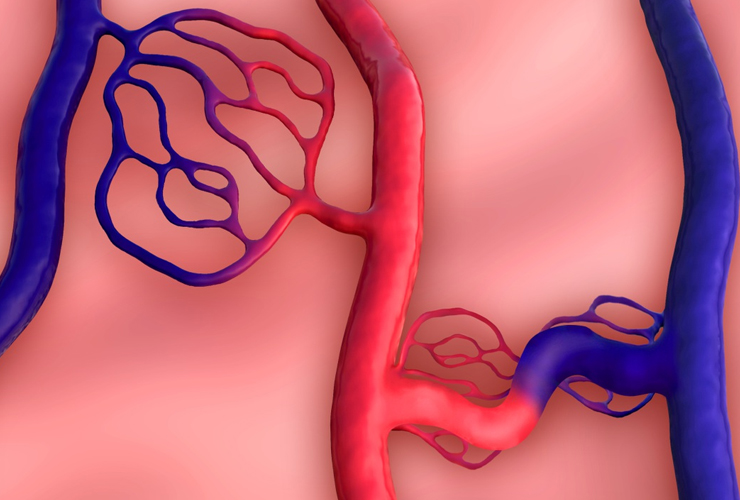
Arteriovenous Malformation (AVM)
Arteriovenous Malformation (AVM) is a rare condition involving an abnormal connection between arteries and veins in the brain. In a normal circulatory system, blood flows from arteries to capillaries and then to veins. In AVM, this process is disrupted, causing arteries to connect directly with veins without capillaries.
This abnormal connection can lead to increased pressure in blood vessels and may cause bleeding in the brain (brain hemorrhage), seizures, or other neurological problems. Early diagnosis and appropriate treatment are important to reduce the risk of complications.
Causes of AVM
In most cases, AVM is a congenital condition, meaning it develops before birth. However, the exact cause is not always known. AVMs may remain unnoticed for many years and only become symptomatic later in life.
Symptoms of Brain AVM
Symptoms may vary depending on the size and location of the AVM. Some people may not experience symptoms until complications occur.
Common symptoms include:
-
Severe or persistent headaches
-
Seizures
-
Weakness or numbness in parts of the body
-
Vision or speech problems
-
Loss of balance or coordination
-
Sudden brain hemorrhage in severe cases
Immediate medical evaluation is necessary if these symptoms occur.
Diagnosis of AVM
Accurate diagnosis helps determine the size, location, and risk associated with the AVM. Diagnostic tests may include:
-
CT Scan of the brain
-
MRI brain imaging
-
CT Angiography (CTA)
-
Cerebral angiography for detailed evaluation of blood vessels
These imaging techniques allow doctors to carefully plan the most effective treatment approach.
Treatment Options for AVM
Treatment depends on factors such as the size, location, and risk of bleeding.
Microsurgical Removal
Surgical removal of the AVM is often recommended for accessible lesions to eliminate the abnormal blood vessel connection.
Endovascular Embolization
A minimally invasive procedure where special materials are injected through a catheter to block abnormal blood vessels and reduce blood flow to the AVM.
Stereotactic Radiosurgery
A non-invasive treatment that uses focused radiation to gradually close abnormal blood vessels over time.
Often, a combination of these treatments may be used to achieve the best outcome.
Benefits of Early Treatment
Early management of AVM can help:
-
Prevent brain hemorrhage
-
Reduce risk of seizures
-
Protect normal brain function
-
Improve long-term neurological health
Regular follow-up and neurological monitoring are important to ensure successful treatment outcomes.
Advanced Neurosurgery Services