-
-
-
Gleneagles Hospital, Parel, Mumbai
Brain AVM & DAVF Embolization
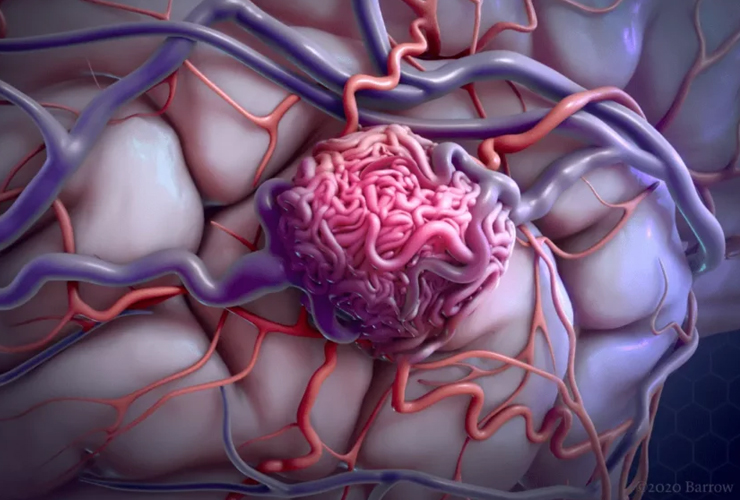
Brain AVM & DAVF Embolization
Brain Arteriovenous Malformations (AVMs) and Dural Arteriovenous Fistulas (DAVFs) are abnormal connections between arteries and veins in the brain that disrupt normal blood flow. These conditions can increase the risk of brain hemorrhage, seizures, stroke, and neurological deficits if left untreated.
Embolization is an advanced minimally invasive endovascular procedure used to block or reduce abnormal blood flow, helping prevent complications and protect brain function.
What is Brain AVM?
A Brain AVM is a tangle of abnormal blood vessels where arteries connect directly to veins without the normal capillary network. This creates high-pressure blood flow, increasing the risk of rupture and bleeding.
Common Symptoms of AVM
- Severe or persistent headaches
- Seizures
- Weakness or numbness
- Vision or speech problems
- Sudden brain hemorrhage in severe cases
What is DAVF (Dural Arteriovenous Fistula)?
DAVF is an abnormal connection between arteries and veins within the dura (outer covering of the brain). It can lead to increased pressure in veins and may cause neurological symptoms or bleeding.
Symptoms of DAVF
- Pulsating noise in the ear (tinnitus)
- Headaches
- Vision disturbances
- Neurological deficits
- Risk of brain hemorrhage
Embolization Procedure
This procedure is performed using advanced endovascular techniques:
- A catheter is inserted through an artery in the groin or wrist
- Guided to the abnormal blood vessels using imaging
- Special materials such as medical glue, coils, or embolic agents are injected
- These block or reduce abnormal blood flow
Embolization may be used as a primary treatment or combined with surgery/radiosurgery.
Benefits of Embolization
- Minimally invasive with no open surgery
- Reduces risk of bleeding or rupture
- Controls symptoms such as seizures or headaches
- Shorter recovery time
- Improves overall treatment outcomes
Recovery and Follow-Up
Patients typically recover quickly after embolization. Regular follow-up imaging is important to monitor the treated vessels and ensure long-term success.
Comprehensive Neurovascular Care
With advanced technology and expert care, embolization offers a safe and effective solution for managing complex brain vascular malformations, helping patients achieve better neurological outcomes.
Advanced Neurosurgery Services