-
-
-
Gleneagles Hospital, Parel, Mumbai
Cervical & Lumbar Spondylosis
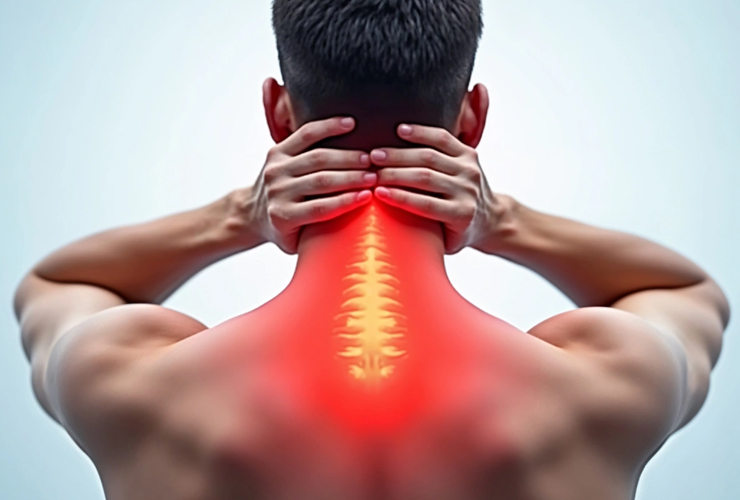
Cervical & Lumbar Spondylosis
Cervical and lumbar spondylosis are common age-related conditions caused by degeneration of the spinal discs, joints, and vertebrae. These changes occur gradually due to natural wear and tear of the spine and can affect the neck (cervical spine) or the lower back (lumbar spine).
As the spine degenerates, it may lead to pain, stiffness, nerve compression, and reduced mobility. Early diagnosis and appropriate treatment can help relieve symptoms and improve spinal function.
Types of Spondylosis
Cervical Spondylosis
Cervical spondylosis affects the neck region of the spine and is commonly seen in adults over the age of 40. Degeneration of cervical discs and joints may cause neck pain and nerve compression affecting the shoulders and arms.
Lumbar Spondylosis
Lumbar spondylosis occurs in the lower back region and may lead to chronic lower back pain, stiffness, and nerve-related symptoms that can radiate to the legs.
Common Causes of Spondylosis
Several factors can contribute to degenerative changes in the spine, including:
-
Age-related wear and tear of spinal discs
-
Poor posture and prolonged sitting
-
Repetitive strain on the spine
-
Previous spinal injuries
-
Weak spinal muscles and ligaments
Maintaining good posture and spinal health can help reduce the risk of progression.
Symptoms of Cervical & Lumbar Spondylosis
Symptoms may vary depending on the affected area of the spine. Common symptoms include:
-
Persistent neck or lower back pain
-
Stiffness in the neck or back
-
Pain radiating to the arms or legs
-
Numbness or tingling sensations
-
Muscle weakness in limbs
-
Headaches associated with neck problems
In severe cases, nerve compression may affect mobility and daily activities.
Diagnosis
Accurate diagnosis is essential for effective treatment. Diagnostic methods may include:
-
Physical and neurological examination
-
X-rays of the spine
-
MRI scan to evaluate disc and nerve involvement
-
CT scan for detailed bone assessment
These tests help determine the severity of degeneration and nerve compression.
Treatment Options
Treatment depends on the severity of symptoms and the level of spinal degeneration.
Non-Surgical Treatment
Most cases can be managed with conservative treatment such as:
-
Pain relief medications
-
Physiotherapy and spinal strengthening exercises
-
Posture correction and lifestyle changes
-
Heat therapy and pain management techniques
Minimally Invasive Spine Procedures
If symptoms persist or nerve compression occurs, minimally invasive procedures may be recommended to relieve pressure on the affected nerves.
Spine Surgery
In severe cases, surgical treatment may be required to stabilize the spine and relieve nerve compression.
Recovery and Prevention
With proper treatment and rehabilitation, patients can effectively manage spondylosis and maintain an active lifestyle. Regular exercise, good posture, and spinal care play an important role in preventing further degeneration and maintaining spinal health.
Advanced Neurosurgery Services