-
-
-
Gleneagles Hospital, Parel, Mumbai
Slip Disc
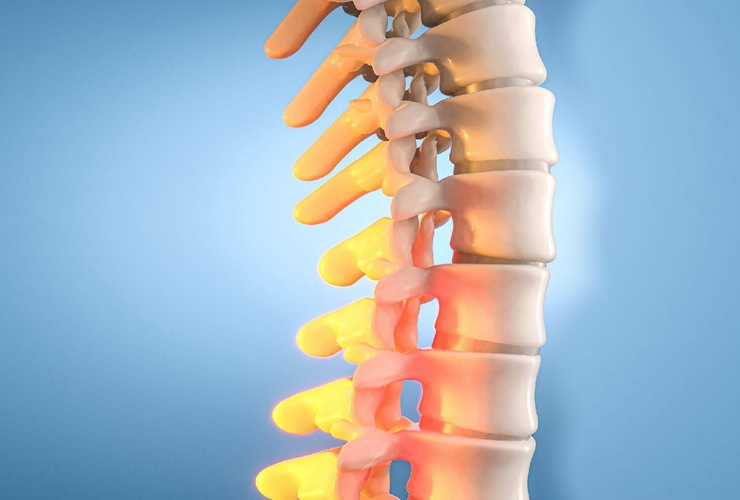
Slip Disc (Cervical, Thoracic, Lumbar)
A slip disc, also known as a herniated or prolapsed disc, occurs when the soft inner portion of a spinal disc pushes through the outer layer. This can place pressure on nearby nerves, leading to pain, numbness, or weakness in different parts of the body.
Slip discs can occur in different regions of the spine, including the cervical (neck), thoracic (mid-back), and lumbar (lower back) areas. Early diagnosis and appropriate treatment are important to relieve symptoms and prevent further spinal complications.
Types of Slip Disc
Cervical Slip Disc
Occurs in the neck region of the spine. It can cause neck pain along with pain, numbness, or weakness radiating to the shoulders, arms, and hands.
Thoracic Slip Disc
A less common condition affecting the middle part of the spine. It may lead to mid-back pain and sometimes affect chest or abdominal nerves.
Lumbar Slip Disc
The most common type of disc herniation, occurring in the lower back. It often causes lower back pain and may lead to sciatica, where pain radiates down the legs.
Common Causes of Slip Disc
Several factors can contribute to disc herniation, including:
-
Age-related disc degeneration
-
Sudden lifting of heavy objects
-
Poor posture or prolonged sitting
-
Repetitive strain on the spine
-
Sports injuries or accidents
Maintaining proper spinal health can reduce the risk of disc problems.
Symptoms of Slip Disc
Symptoms vary depending on the location and severity of the disc herniation. Common symptoms include:
-
Persistent neck or back pain
-
Pain radiating to arms or legs
-
Numbness or tingling sensations
-
Muscle weakness
-
Difficulty standing, walking, or bending
If nerve compression becomes severe, immediate medical attention may be required.
Diagnosis
Accurate diagnosis is important to determine the location and severity of the slipped disc. Diagnostic methods may include:
-
Physical and neurological examination
-
MRI scan of the spine
-
CT scan for detailed imaging
-
X-rays to evaluate spinal alignment
These tests help doctors develop an appropriate treatment plan.
Treatment Options
Treatment depends on the severity of the condition and patient symptoms.
Non-Surgical Treatment
Most slip disc cases improve with conservative treatment such as:
-
Pain management medications
-
Physiotherapy and strengthening exercises
-
Lifestyle modifications and posture correction
-
Spinal support braces
Minimally Invasive Spine Surgery
If symptoms persist or nerve compression is severe, minimally invasive procedures may be recommended to remove the herniated portion of the disc and relieve nerve pressure.
Recovery and Prevention
With proper treatment and rehabilitation, most patients experience significant relief from symptoms. Regular exercise, good posture, and proper lifting techniques help maintain spinal health and prevent future disc problems.
Advanced Neurosurgery Services