-
-
-
Gleneagles Hospital, Parel, Mumbai
Epilepsy Surgery
Epilepsy Surgery
Epilepsy is a neurological disorder characterized by recurrent seizures caused by abnormal electrical activity in the brain. While many patients achieve good control of seizures with medications, some individuals continue to experience seizures despite taking multiple anti-epileptic drugs. This condition is known as drug-resistant or refractory epilepsy.
For such cases, epilepsy surgery can be an effective treatment option. The goal of surgery is to remove or modify the area of the brain responsible for triggering seizures while preserving important brain functions.
Who May Benefit from Epilepsy Surgery?
Epilepsy surgery may be recommended for patients who:
-
Continue to have seizures despite taking medications
-
Have seizures originating from a specific area of the brain
-
Experience severe seizures that affect daily life
-
Have epilepsy that can be safely treated surgically
A detailed medical evaluation helps determine whether surgery is the best treatment option.
Types of Epilepsy Surgery
Several surgical procedures may be used depending on the location and type of epilepsy:
-
Resective Surgery – Removal of the small portion of brain tissue causing seizures
-
Laser Ablation Therapy – Minimally invasive technique to destroy seizure-causing tissue
-
Corpus Callosotomy – Procedure that disconnects communication between brain hemispheres to control seizures
-
Vagus Nerve Stimulation (VNS) – Implantable device used to reduce seizure frequency
The treatment approach is carefully chosen based on the patient’s condition.
Pre-Surgical Evaluation
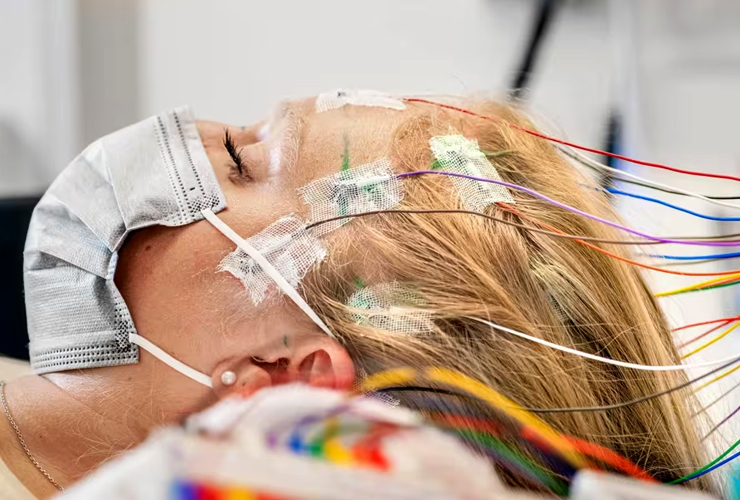
Before surgery, patients undergo comprehensive evaluation to accurately identify the seizure focus. This may include:
-
Video EEG monitoring
-
MRI or CT brain imaging
-
Functional brain mapping
-
Neuropsychological testing
These tests help doctors determine the safest and most effective surgical plan.
Benefits of Epilepsy Surgery
-
Significant reduction or complete control of seizures
-
Improved quality of life
-
Reduced dependence on long-term medications
-
Better cognitive and neurological outcomes
-
Greater independence in daily activities
Post-Surgery Care and Recovery
After surgery, patients are closely monitored to ensure proper healing and seizure control. Follow-up care may include medication management, neurological evaluation, and rehabilitation if required.
Early evaluation and timely surgical treatment can greatly improve outcomes for patients living with epilepsy.
Advanced Neurosurgery Services