-
-
-
Gleneagles Hospital, Parel, Mumbai
Spinal Canal Stenosis
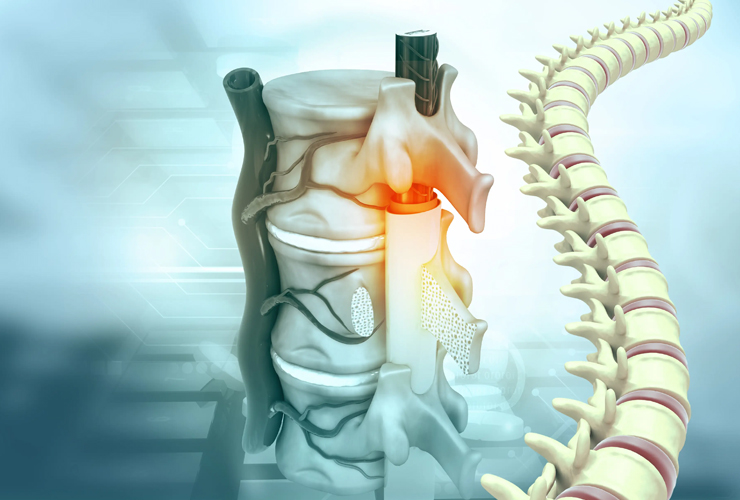
Spinal Canal Stenosis
Spinal canal stenosis is a condition in which the spinal canal narrows, putting pressure on the spinal cord and surrounding nerves. This narrowing can occur in different parts of the spine, most commonly in the cervical (neck) and lumbar (lower back) regions.
As the spinal canal becomes narrower, it may compress nerves and lead to symptoms such as pain, numbness, weakness, and difficulty walking. Early diagnosis and proper treatment are important to relieve symptoms and prevent further nerve damage.
Common Causes of Spinal Canal Stenosis
Several factors may contribute to the narrowing of the spinal canal, including:
-
Age-related degeneration of the spine
-
Herniated or slipped discs
-
Bone spurs (osteophytes)
-
Thickened spinal ligaments
-
Spinal injuries or trauma
-
Congenital spinal abnormalities
This condition is more common in older adults due to natural wear and tear of the spine.
Symptoms of Spinal Canal Stenosis
Symptoms may develop gradually and worsen over time. Common symptoms include:
-
Persistent neck or lower back pain
-
Numbness or tingling in arms or legs
-
Weakness in limbs
-
Difficulty walking or standing for long periods
-
Pain that improves when bending forward or sitting
Severe cases may affect mobility and daily activities.
Diagnosis
A detailed evaluation is necessary to confirm spinal stenosis and assess its severity. Diagnostic methods may include:
-
Physical and neurological examination
-
MRI scan of the spine
-
CT scan for detailed bone evaluation
-
X-rays to assess spinal alignment
These imaging tests help identify the location and extent of nerve compression.
Treatment Options
Treatment depends on the severity of symptoms and the level of nerve compression.
Non-Surgical Treatment
Mild to moderate cases may be managed with:
-
Pain relief medications
-
Physiotherapy and strengthening exercises
-
Lifestyle modifications and posture correction
-
Epidural steroid injections for nerve pain relief
Minimally Invasive Spine Surgery
If symptoms persist or neurological deficits occur, minimally invasive procedures may be recommended to relieve pressure on the spinal cord and nerves.
Decompression Surgery
In severe cases, surgical decompression may be performed to widen the spinal canal and restore normal nerve function.
Recovery and Long-Term Care
With proper treatment and rehabilitation, patients can experience significant improvement in pain and mobility. Regular exercise, good posture, and maintaining spinal health are important to prevent progression of the condition.
Advanced Neurosurgery Services