-
-
-
Gleneagles Hospital, Parel, Mumbai
Spinal Tumor Surgery
Spinal Tumor Surgery
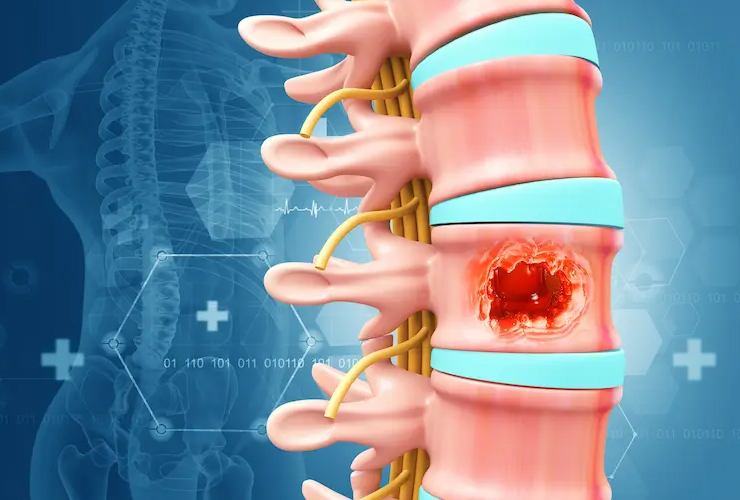
Spinal tumors are abnormal growths that develop within or around the spinal cord and vertebral column. These tumors can be benign (non-cancerous) or malignant (cancerous) and may affect the spinal cord, nerves, or surrounding structures. As the tumor grows, it can put pressure on the spinal cord and nerves, leading to pain, neurological symptoms, and reduced mobility.
Early diagnosis and timely surgical treatment are essential to relieve pressure on the spinal cord, protect nerve function, and improve patient outcomes.
Types of Spinal Tumors
Spinal tumors are generally classified based on their location in the spine.
Intramedullary Tumors
These tumors develop within the spinal cord itself and may affect nerve signals and motor functions.
Intradural-Extramedullary Tumors
These tumors occur inside the spinal canal but outside the spinal cord, often compressing nearby nerves.
Extradural Tumors
These tumors develop outside the spinal cord, usually involving the vertebrae or surrounding tissues.
Symptoms of Spinal Tumors
Symptoms may develop gradually and depend on the tumor’s location and size. Common symptoms include:
-
Persistent back or neck pain
-
Numbness or tingling in arms or legs
-
Weakness in limbs
-
Difficulty walking or maintaining balance
-
Loss of bladder or bowel control in severe cases
If these symptoms occur, medical evaluation is necessary for proper diagnosis.
Diagnosis
Accurate diagnosis is essential to determine the type, size, and location of the tumor. Diagnostic tests may include:
-
MRI scan of the spine
-
CT scan for detailed bone evaluation
-
X-rays of the spine
-
Biopsy to determine the nature of the tumor
These tests help doctors develop an effective treatment strategy.
Spinal Tumor Surgery
Surgical treatment aims to remove or reduce the tumor while preserving spinal cord function. The surgical approach depends on the tumor type and its location.
Modern surgical techniques focus on:
-
Safe removal of the tumor
-
Decompression of the spinal cord and nerves
-
Stabilization of the spine when necessary
-
Preservation of neurological function
In some cases, surgery may be combined with radiation therapy or chemotherapy for comprehensive treatment.
Recovery and Rehabilitation
After surgery, patients may require rehabilitation programs including physiotherapy to regain strength, mobility, and neurological function. Regular follow-up care ensures proper healing and early detection of any recurrence.
Early treatment and specialized spinal tumor surgery can significantly improve recovery and quality of life.
Advanced Neurosurgery Services