-
-
-
Gleneagles Hospital, Parel, Mumbai
Carotid Artery Stenting
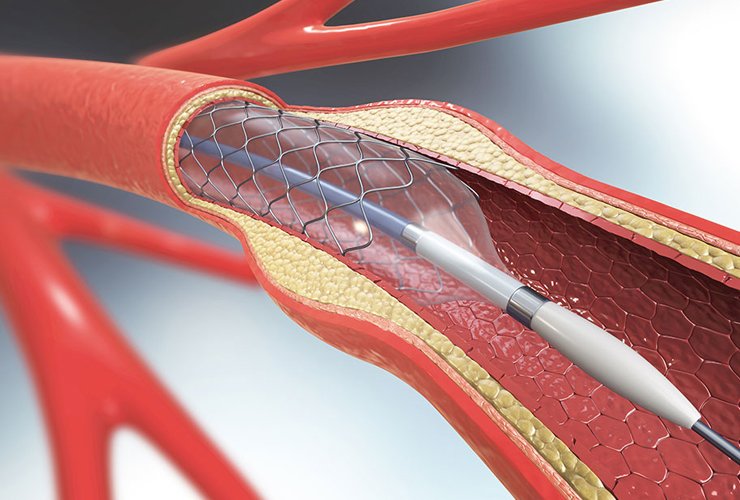
Carotid Artery Stenting
Carotid artery stenting is an advanced, minimally invasive procedure used to treat narrowing (stenosis) of the carotid arteries, the main blood vessels supplying blood to the brain. When these arteries become narrowed due to plaque buildup, it increases the risk of stroke or transient ischemic attack (TIA).
This procedure helps restore normal blood flow to the brain and significantly reduces the risk of future strokes.
What Causes Carotid Artery Narrowing?
Carotid artery disease is most commonly caused by atherosclerosis, a buildup of fatty deposits along the artery walls. Risk factors include:
- High blood pressure
- High cholesterol
- Diabetes
- Smoking
- Aging
- Family history of vascular disease
Early detection plays a key role in preventing stroke.
Symptoms of Carotid Artery Disease
In many cases, carotid artery narrowing may not cause symptoms until a stroke occurs. Warning signs may include:
- Sudden weakness or numbness on one side of the body
- Difficulty speaking or understanding speech
- Sudden vision loss or blurred vision
- Loss of balance or coordination
- Temporary facial drooping
Immediate medical attention is required if these symptoms appear.
How Carotid Artery Stenting is Performed
The procedure is carried out using endovascular techniques:
- A thin catheter is inserted through an artery in the groin or wrist
- It is guided to the narrowed carotid artery using imaging guidance
- A small balloon may be used to open the blockage
- A stent (mesh tube) is placed to keep the artery open
- Blood flow to the brain is restored
This minimally invasive approach avoids the need for open surgery in many cases.
Benefits of Carotid Artery Stenting
- Reduces the risk of stroke
- Minimally invasive procedure
- Faster recovery and shorter hospital stay
- Suitable for high-risk surgical patients
- Improves blood flow to the brain
Recovery and Follow-Up
After the procedure, patients are monitored and may be prescribed antiplatelet medications to prevent clot formation. Lifestyle modifications and regular follow-up imaging help maintain long-term vascular health.
Comprehensive Stroke Prevention Care
Carotid artery stenting is an important part of a comprehensive stroke prevention program, helping patients reduce their risk and maintain optimal brain health through advanced medical care.
Advanced Neurosurgery Services