-
-
-
Gleneagles Hospital, Parel, Mumbai
Mechanical Thrombectomy
Mechanical Thrombectomy
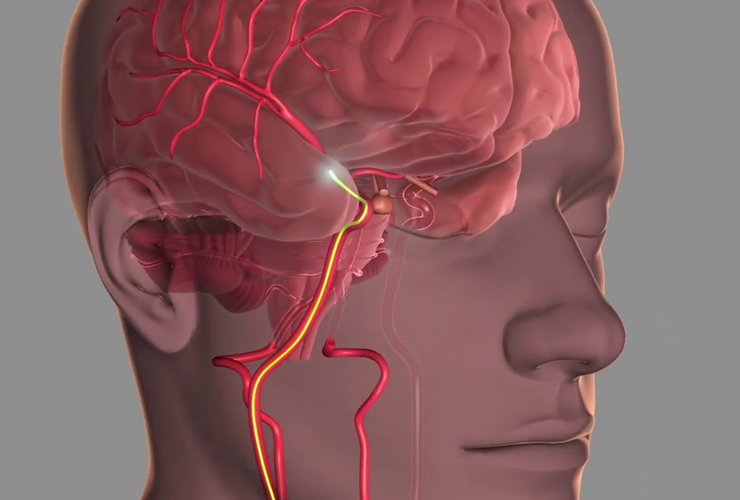
Mechanical thrombectomy is a minimally invasive, life-saving procedure used to treat acute ischemic stroke caused by large blood clots blocking major brain arteries. This advanced technique physically removes the clot, restoring blood flow to the brain and reducing the risk of permanent damage.
Timely intervention significantly improves recovery outcomes and can be life-saving.
How Mechanical Thrombectomy Works
- A thin catheter is inserted through an artery in the groin or wrist
- It is guided to the blocked artery in the brain using advanced imaging
- A specialized device (stent retriever or aspiration system) is used to capture and remove the clot
- Blood flow is restored immediately
This procedure is highly effective for large vessel occlusions (LVOs).
Who is Eligible for Mechanical Thrombectomy?
Patients may benefit if they:
- Have a large artery blockage in the brain
- Present within the treatment window (can extend up to 24 hours in selected cases)
- Show viable brain tissue on imaging
- Are not responding adequately to IV thrombolysis
Advanced imaging helps identify suitable candidates.
Benefits of Mechanical Thrombectomy
- Rapid restoration of blood flow to the brain
- Significantly reduces brain damage
- Improves chances of recovery and independence
- Minimally invasive with faster recovery
- Effective even when performed beyond early hours in selected patients
Importance of Early Action
Stroke treatment is time-sensitive—every minute saved protects brain cells. Immediate medical attention and access to advanced stroke care can dramatically improve outcomes.
Comprehensive Stroke Care
Mechanical thrombectomy is part of an integrated stroke program that includes rapid diagnosis, advanced imaging, and multidisciplinary care, ensuring patients receive the most effective treatment without delay.
Advanced Neurosurgery Services