-
-
-
Gleneagles Hospital, Parel, Mumbai
Traumatic CSF Rhinorrhoea
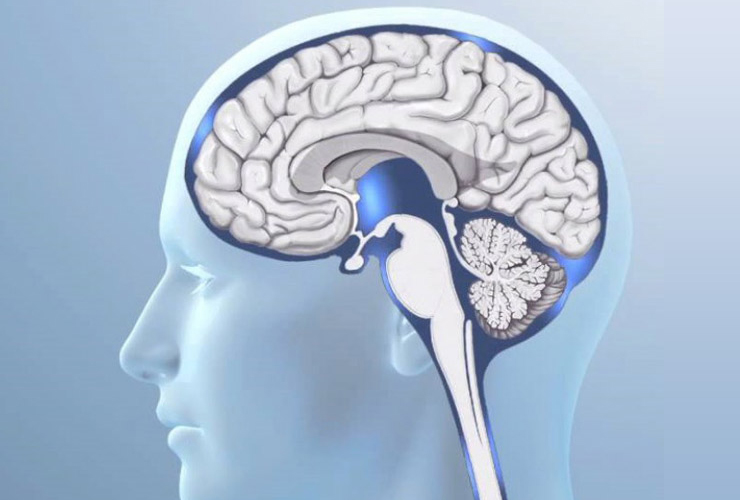
Traumatic CSF Rhinorrhoea
Traumatic CSF Rhinorrhoea is a condition in which cerebrospinal fluid (CSF) leaks from the brain through the nose due to a tear or defect in the skull base. This usually occurs after head trauma, accidents, or skull fractures that damage the protective layers surrounding the brain.
CSF plays an important role in protecting and cushioning the brain and spinal cord. When a leak occurs, it increases the risk of serious infections such as meningitis. Early diagnosis and timely treatment are essential to prevent complications and ensure proper healing.
Causes of Traumatic CSF Rhinorrhoea
This condition is commonly caused by:
-
Head injury or trauma
-
Skull base fractures
-
Road traffic accidents
-
Surgical complications
-
Severe facial injuries
Damage to the bone or tissue at the base of the skull can create a pathway for cerebrospinal fluid to leak through the nasal cavity.
Symptoms of CSF Rhinorrhoea
Common symptoms include:
-
Clear, watery fluid leaking from the nose
-
Persistent nasal discharge after head injury
-
Salty or metallic taste in the mouth
-
Headaches that worsen when standing
-
Risk of recurrent meningitis
-
Nausea or dizziness
If these symptoms occur after a head injury, immediate medical evaluation is recommended.
Diagnosis
Accurate diagnosis is essential to confirm the presence and source of the CSF leak. Diagnostic methods may include:
-
CT scan of the skull base
-
MRI brain imaging
-
Beta-2 transferrin test of nasal fluid
-
Endoscopic nasal examination
These tests help locate the leak and determine the most appropriate treatment plan.
Treatment Options
Treatment depends on the severity and cause of the CSF leak.
Conservative Management
Some mild leaks may heal with bed rest, medications, and careful monitoring.
Endoscopic Repair Surgery
Minimally invasive endoscopic surgery through the nose can be performed to repair the skull base defect and stop the fluid leak.
Advanced Neurosurgical Procedures
In complex cases, specialized surgical techniques may be required to repair the damaged area and prevent recurrence.
Benefits of Early Treatment
Early management helps:
-
Prevent serious infections such as meningitis
-
Stop persistent CSF leakage
-
Restore normal protective barriers of the brain
-
Improve long-term neurological health
Regular follow-up and monitoring are important to ensure successful recovery.
Advanced Neurosurgery Services