-
-
-
Gleneagles Hospital, Parel, Mumbai
Cranioplasty
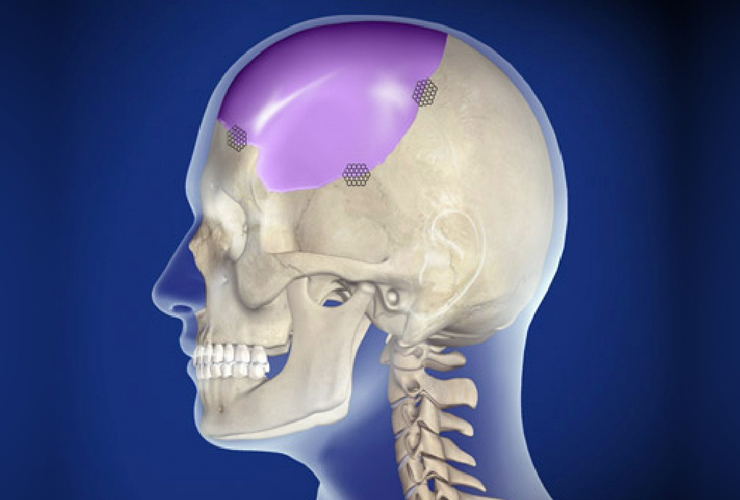
Cranioplasty
Cranioplasty is a surgical procedure performed to repair or reconstruct defects in the skull caused by trauma, previous brain surgery, stroke, or infection. The procedure involves placing a custom-made implant or bone graft to restore the normal shape and protective function of the skull.
Beyond cosmetic improvement, cranioplasty plays a vital role in protecting the brain and improving neurological function.
When is Cranioplasty Needed?
Cranioplasty is recommended for patients who:
- Have undergone decompressive craniectomy (removal of part of the skull)
- Suffered head injury or skull fractures
- Have skull defects due to infection or tumor surgery
- Experience neurological symptoms after skull removal
- Require restoration of skull structure for protection and appearance
Materials Used in Cranioplasty
The reconstruction can be performed using:
- Patient’s own bone (autologous bone flap)
- Titanium mesh implants
- Medical-grade synthetic materials (custom implants)
The choice depends on the patient’s condition and surgical requirements.
Benefits of Cranioplasty
- Restores protection to the brain
- Improves neurological function and blood flow
- Enhances cosmetic appearance of the skull
- Reduces symptoms like headache or dizziness
- Supports overall recovery after brain surgery
The Procedure
Cranioplasty is performed under general anesthesia. The surgeon carefully:
- Reopens the previous surgical site
- Places the implant or bone graft
- Secures it to match the natural skull contour
The procedure is planned with precision to ensure safety and optimal results.
Recovery and Follow-Up
Recovery varies depending on the patient’s condition. Most patients:
- Stay in the hospital for monitoring
- Gradually return to daily activities
- Require follow-up visits to ensure proper healing
Rehabilitation may be recommended to support overall neurological recovery.
Comprehensive Neurosurgical Care
Cranioplasty is an important step in restoring both brain protection and quality of life after major neurological conditions. With advanced techniques and personalized care, patients can achieve safe recovery and improved outcomes.
Advanced Neurosurgery Services