-
-
-
Gleneagles Hospital, Parel, Mumbai
IV Thrombolysis
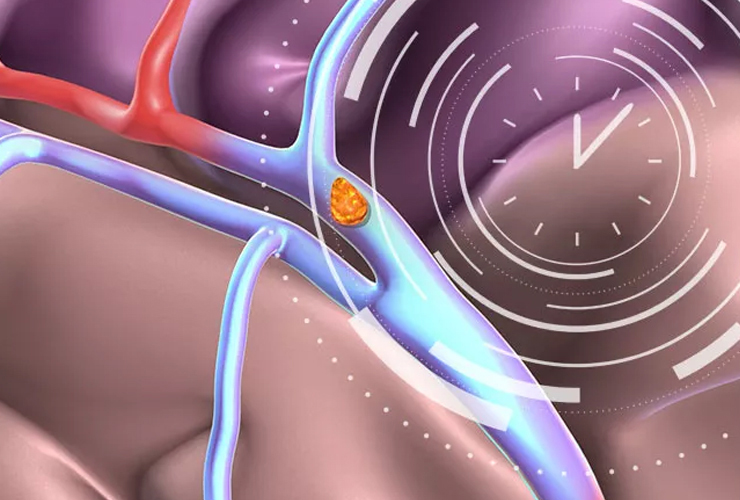
IV Thrombolysis
IV thrombolysis is a life-saving emergency treatment used in acute ischemic stroke to dissolve the blood clot blocking blood flow to the brain. This treatment involves administering a clot-dissolving medication (tPA) through a vein to restore circulation and minimize brain damage.
Timely treatment is critical—early intervention can significantly improve recovery and reduce long-term disability.
How IV Thrombolysis Works
- Medication is given through an intravenous (IV) line
- It works by breaking down the clot blocking the artery
- Blood flow to the brain is restored
- Helps preserve healthy brain tissue
This treatment is most effective when given within 4.5 hours of stroke symptom onset.
Who is Eligible for IV Thrombolysis?
Patients may be eligible if they:
- Have symptoms of acute ischemic stroke
- Reach the hospital within the golden time window
- Have no contraindications for clot-dissolving medication
- Show confirmed stroke on imaging (CT/MRI)
A rapid evaluation is performed to ensure safe and effective treatment.
Benefits of IV Thrombolysis
- Quickly restores blood flow to the brain
- Reduces the extent of brain damage
- Improves chances of recovery
- Lowers the risk of long-term disability
- Non-surgical and minimally invasive treatment
Importance of Early Treatment
Stroke is a medical emergency—every minute counts. Early administration of IV thrombolysis can make a significant difference in patient outcomes.
Recognize Stroke Symptoms – Act FAST
- Face drooping
- Arm weakness
- Speech difficulty
- Time to seek emergency care
Immediate medical attention can save brain function and lives.
Advanced Neurosurgery Services