-
-
-
Gleneagles Hospital, Parel, Mumbai
Brain Aneurysms
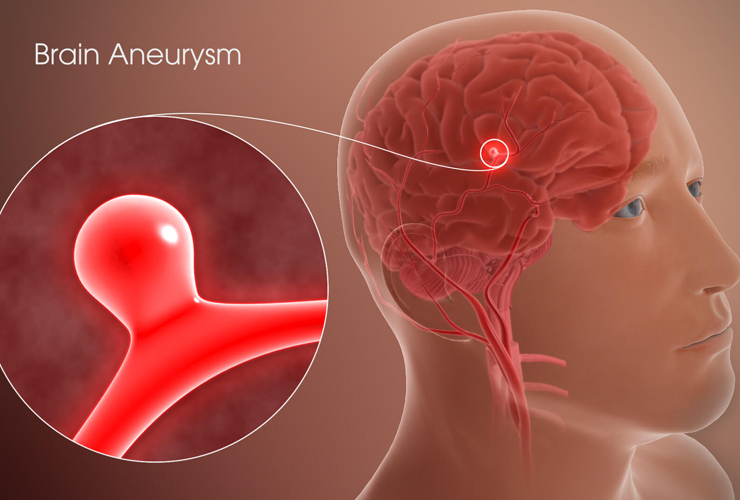
Brain Aneurysms
A brain aneurysm is a bulging or ballooning in a weakened area of a blood vessel in the brain. Over time, the pressure of blood flow can cause the vessel wall to stretch and form a sac-like structure. If an aneurysm ruptures, it can lead to life-threatening bleeding in the brain, known as a hemorrhagic stroke.
Early detection and timely treatment are essential to prevent rupture and serious neurological complications. With modern diagnostic tools and advanced neurosurgical techniques, brain aneurysms can be effectively managed to protect brain health and patient safety.
What Causes Brain Aneurysms?
Brain aneurysms may develop due to several factors, including:
-
High blood pressure (hypertension)
-
Weakness in blood vessel walls
-
Family history of aneurysms
-
Head injury or trauma
-
Smoking and unhealthy lifestyle habits
-
Certain genetic or connective tissue disorders
Identifying risk factors early can help prevent complications.
Symptoms of Brain Aneurysms
Many aneurysms may not cause symptoms until they grow larger or rupture. Possible warning signs include:
-
Severe or sudden headache
-
Blurred or double vision
-
Pain behind or above the eye
-
Numbness or weakness on one side of the face
-
Difficulty speaking or concentrating
-
Sensitivity to light
A ruptured aneurysm can cause sudden, severe headache, nausea, vomiting, loss of consciousness, and requires immediate medical attention.
Diagnosis of Brain Aneurysms
Accurate diagnosis helps determine the size, location, and risk of rupture. Diagnostic tests may include:
-
CT Scan or MRI of the brain
-
CT Angiography (CTA)
-
Magnetic Resonance Angiography (MRA)
-
Cerebral angiography for detailed imaging of blood vessels
These tests help doctors plan the most effective treatment approach.
Treatment Options
Treatment depends on the size, location, and risk of rupture of the aneurysm. Options may include:
Endovascular Coiling
A minimally invasive procedure where tiny coils are inserted into the aneurysm through a catheter to block blood flow and prevent rupture.
Surgical Clipping
A neurosurgical procedure where a small metal clip is placed at the base of the aneurysm to stop blood flow into it.
Monitoring and Medical Management
Small aneurysms that are not at immediate risk may be monitored with regular imaging and blood pressure control.
Importance of Early Treatment
Timely treatment of brain aneurysms can help:
-
Prevent rupture and life-threatening bleeding
-
Reduce the risk of stroke
-
Protect brain function
-
Improve long-term outcomes
Regular neurological evaluation and early diagnosis are key to effective management.
Advanced Neurosurgery Services