-
-
-
Gleneagles Hospital, Parel, Mumbai
Revision Spine Surgery
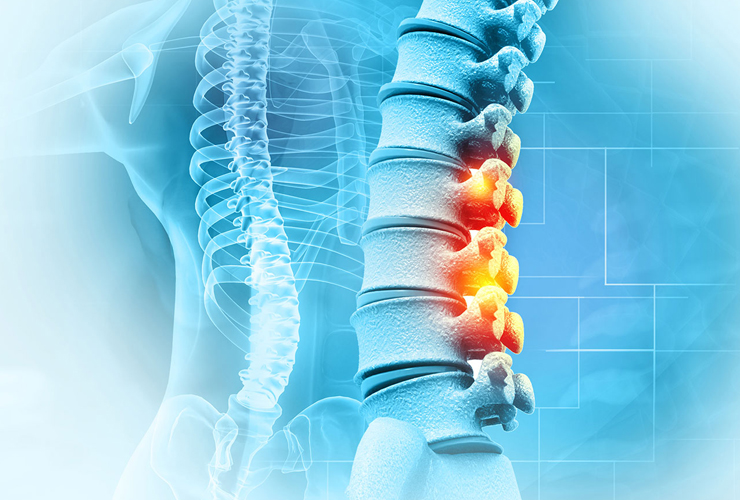
Revision Spine Surgery
Revision spine surgery is a specialized procedure performed when a previous spinal surgery does not achieve the desired outcome or when new spinal problems develop after the initial procedure. It is often recommended for patients who continue to experience pain, nerve compression, or spinal instability following earlier spine surgery.
Revision procedures are more complex and require careful evaluation, advanced surgical planning, and expertise to correct the underlying problem and restore spinal function.
Why Revision Spine Surgery May Be Needed
Revision spine surgery may be required in certain situations, including:
-
Persistent or recurring back or neck pain after previous surgery
-
Incomplete nerve decompression
-
Recurrent slipped disc (disc herniation)
-
Spinal instability or hardware failure
-
Scar tissue compressing spinal nerves
-
Adjacent segment degeneration after spinal fusion
Proper evaluation helps determine the exact cause of ongoing symptoms.
Symptoms That May Require Revision Surgery
Patients who may benefit from revision spine surgery often experience symptoms such as:
-
Continued or worsening back or neck pain
-
Pain radiating to arms or legs
-
Numbness or tingling in limbs
-
Muscle weakness
-
Difficulty walking or performing daily activities
These symptoms may indicate persistent nerve compression or structural spinal problems.
Diagnosis and Evaluation
A detailed assessment is essential before planning revision surgery. Diagnostic methods may include:
-
Comprehensive physical and neurological examination
-
MRI scan to evaluate spinal discs, nerves, and scar tissue
-
CT scan to assess bone structures and previous implants
-
X-rays to check spinal alignment and hardware placement
These tests help identify the cause of symptoms and guide the surgical approach.
Revision Spine Surgery Procedures
The surgical approach depends on the patient’s condition and previous treatment. Revision procedures may involve:
-
Removal or adjustment of previously implanted hardware
-
Re-decompression of spinal nerves
-
Repair or replacement of damaged spinal discs
-
Correction of spinal alignment
-
Spinal fusion to improve stability
Modern surgical techniques focus on minimizing tissue damage while improving long-term spinal stability and nerve function.
Recovery and Long-Term Care
Recovery after revision spine surgery varies depending on the complexity of the procedure. Patients may require physiotherapy and rehabilitation to restore strength, flexibility, and mobility. Regular follow-up visits are essential to monitor healing and prevent further spinal complications.
With proper treatment and expert care, many patients experience significant improvement in pain relief and overall spinal health.
Advanced Neurosurgery Services