-
-
-
Gleneagles Hospital, Parel, Mumbai
MMA Embolization for cSDH
MMA Embolization for cSDH
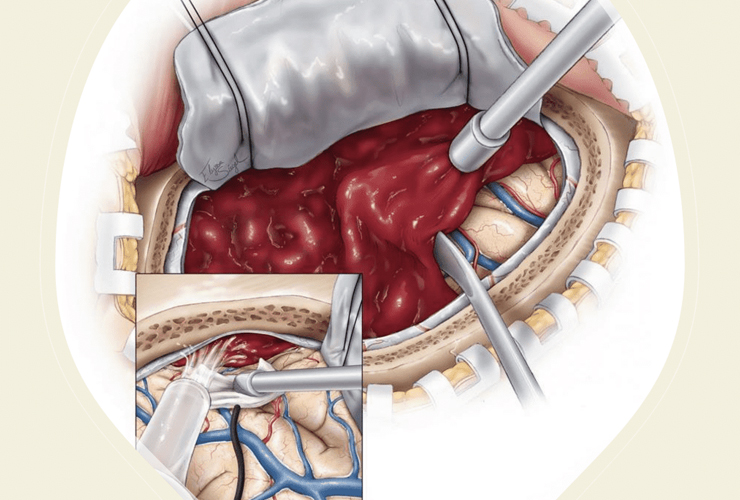
Chronic Subdural Hematoma (cSDH) is a condition where blood collects slowly between the brain surface and its outer covering (dura), often due to minor head injury—especially in elderly patients. Over time, this collection can compress the brain and lead to neurological symptoms.
Middle Meningeal Artery (MMA) embolization is an advanced minimally invasive procedure used to treat cSDH by blocking the blood supply that contributes to the hematoma, helping prevent its growth and recurrence.
What is MMA Embolization?
MMA embolization targets the middle meningeal artery, which plays a key role in supplying blood to the membranes responsible for chronic bleeding.
Procedure Overview:
- A catheter is inserted through an artery in the groin or wrist
- It is guided to the middle meningeal artery using imaging guidance
- Special embolic materials (particles or liquid agents) are injected
- These block the abnormal blood supply feeding the hematoma
This helps stabilize or gradually reduce the hematoma over time.
When is MMA Embolization Recommended?
MMA embolization may be advised for patients who:
- Have chronic subdural hematoma (cSDH)
- Are at high risk for surgical complications
- Have recurrent hematoma after surgery
- Have mild to moderate symptoms not requiring immediate surgery
- Need a minimally invasive alternative to traditional procedures
Symptoms of Chronic Subdural Hematoma
Symptoms may develop gradually and include:
- Persistent headache
- Confusion or memory problems
- Weakness on one side of the body
- Difficulty walking or imbalance
- Speech disturbances
- Drowsiness or reduced alertness
Early evaluation is important for timely treatment.
Benefits of MMA Embolization
- Minimally invasive, no open brain surgery
- Reduces risk of hematoma recurrence
- Shorter hospital stay and faster recovery
- Suitable for elderly and high-risk patients
- Can be combined with surgical drainage if needed
Recovery and Follow-Up
Most patients recover quickly after the procedure and may require follow-up imaging to monitor resolution of the hematoma. Regular medical supervision ensures safe recovery and long-term success.
Advanced Neurovascular Care
MMA embolization represents a modern, effective approach in managing chronic subdural hematoma, offering improved outcomes with reduced risk and faster recovery.
Advanced Neurosurgery Services