-
-
-
Gleneagles Hospital, Parel, Mumbai
Pituitary Tumor Surgery
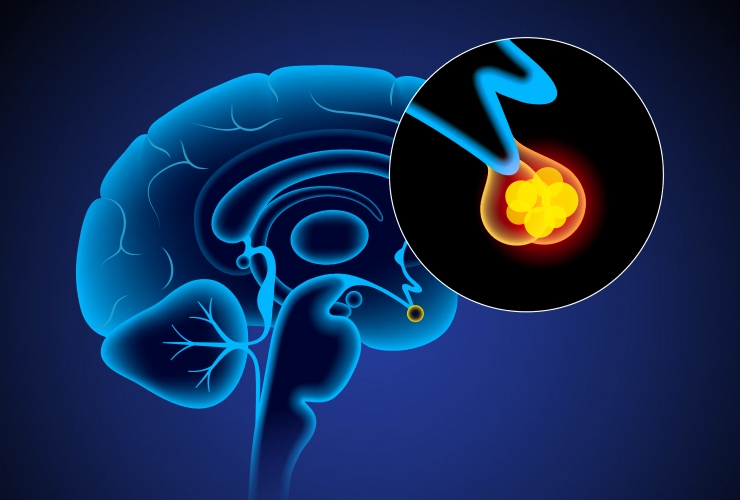
Pituitary Tumor Surgery (Endoscopic Transnasal)
Pituitary tumors are abnormal growths that develop in the pituitary gland, a small but vital gland located at the base of the brain responsible for regulating hormones. While many pituitary tumors are benign, they can still cause serious health issues by affecting hormone production or pressing on nearby structures such as the optic nerves.
Endoscopic Transnasal Pituitary Surgery is a modern, minimally invasive technique used to remove pituitary tumors through the nasal passages without making external incisions. This advanced approach allows surgeons to access the tumor safely while minimizing trauma to surrounding brain tissue.
What is Endoscopic Transnasal Pituitary Surgery?
Endoscopic transnasal surgery, also known as endoscopic endonasal surgery, is performed using a thin endoscope inserted through the nose to reach the pituitary gland. Specialized surgical instruments are used to carefully remove the tumor while preserving normal brain structures.
This approach avoids traditional open brain surgery and provides faster recovery for patients.
Conditions Treated with This Surgery
This procedure is commonly used to treat:
-
Pituitary adenomas
-
Hormone-secreting pituitary tumors
-
Non-functioning pituitary tumors
-
Tumors causing vision problems
-
Tumors affecting hormonal balance
Symptoms of Pituitary Tumors
Patients with pituitary tumors may experience:
-
Frequent headaches
-
Vision problems or blurred vision
-
Hormonal imbalances
-
Unexplained weight changes
-
Fatigue or weakness
-
Menstrual irregularities or infertility
Early diagnosis and treatment can help prevent long-term complications.
Advantages of Endoscopic Transnasal Surgery
-
No external scars as the surgery is performed through the nose
-
Minimally invasive procedure with less tissue damage
-
Shorter hospital stay and faster recovery
-
Better visualization of the tumor using endoscopic technology
-
Reduced risk of complications compared to traditional surgery
Diagnosis and Treatment Planning
Before surgery, patients undergo detailed evaluation which may include:
-
MRI scan of the brain
-
Hormonal blood tests
-
Vision testing
-
Neurological examination
These tests help determine the tumor size, location, and the most appropriate treatment approach.
Recovery and Post-Treatment Care
Most patients recover quickly after endoscopic pituitary surgery. Regular follow-up visits, hormonal monitoring, and imaging tests may be recommended to ensure successful recovery and prevent recurrence.
Advanced Neurosurgery Services