-
-
-
Gleneagles Hospital, Parel, Mumbai
Hydrocephalus
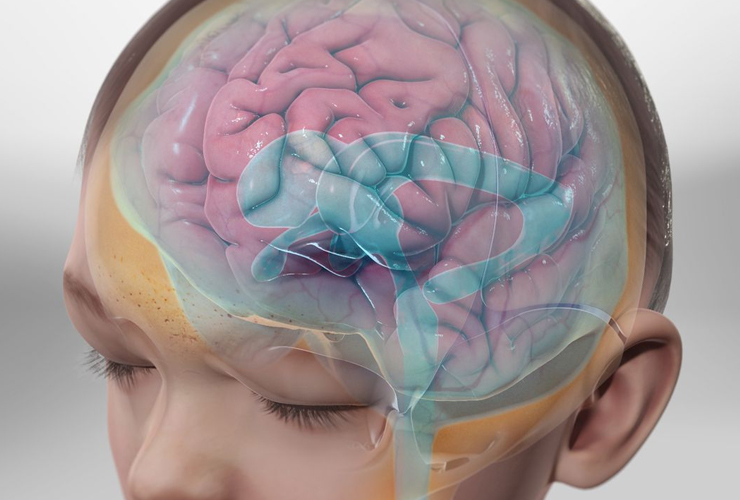
Hydrocephalus (Paediatric/ Adult / Geriatric - Programmable Shunts / ETV)
Hydrocephalus is a neurological condition characterized by the accumulation of excess cerebrospinal fluid (CSF) within the brain's ventricles. This buildup increases pressure inside the skull and can affect brain function. Hydrocephalus can occur in children, adults, and elderly patients, and timely treatment is essential to prevent long-term complications.
With advancements in neurosurgery, modern treatment options such as programmable shunts and Endoscopic Third Ventriculostomy (ETV) provide effective solutions to manage this condition while improving patient outcomes and quality of life.
What Causes Hydrocephalus?
Hydrocephalus can develop due to several factors, including:
-
Congenital brain abnormalities in infants
-
Brain infections such as meningitis
-
Brain tumors or cysts
-
Head injuries or brain hemorrhage
-
Age-related brain conditions
-
Blockage in the flow of cerebrospinal fluid
Early detection and treatment help prevent increased brain pressure and neurological damage.
Symptoms of Hydrocephalus
Symptoms may vary depending on the patient’s age.
In Infants and Children
-
Rapid increase in head size
-
Vomiting and irritability
-
Developmental delays
-
Poor feeding
-
Seizures
In Adults
-
Persistent headaches
-
Difficulty with balance or walking
-
Blurred vision
-
Memory problems
-
Nausea or vomiting
In Elderly Patients
-
Walking difficulties
-
Urinary incontinence
-
Memory loss or cognitive decline
-
Balance problems
Treatment Options
Treatment aims to restore the normal flow of cerebrospinal fluid and reduce pressure within the brain.
Programmable Shunt Surgery
A programmable shunt is a medical device placed in the brain to drain excess cerebrospinal fluid into another part of the body, usually the abdomen. The programmable valve allows doctors to adjust fluid flow without additional surgery.
Endoscopic Third Ventriculostomy (ETV)
ETV is a minimally invasive procedure where a small opening is created in the brain’s ventricle using an endoscope to allow cerebrospinal fluid to flow normally, reducing pressure without the need for a permanent shunt in selected patients.
Benefits of Modern Hydrocephalus Treatment
-
Advanced minimally invasive techniques
-
Adjustable programmable shunt technology
-
Improved long-term management of CSF flow
-
Reduced surgical complications
-
Better quality of life for patients of all ages
Comprehensive Care and Follow-Up
Patients with hydrocephalus require regular follow-up to monitor shunt function or surgical outcomes. Continuous neurological assessment ensures effective long-term management and helps prevent recurrence or complications.
Advanced Neurosurgery Services